


Leave the first review for product
Product:
Meinian_Male_PremiumMianian Health - Men's Premium Checkup Package
138items
Recommended for
Men aged 18 years old or above
Key Checkup Items:
-
ECG, Ultrasound Examination (Liver, Gallbladder, Pancreas, Spleen, Kidney, Thyroid, Prostate), Liver and Kidney Function Tests, Cardiac Check up, Chest CT Scan, Head MRI, Head MRA, Genetic Testing, 7 Cancer Markers, Explanation of Report by Doctor
The checkup plan includes a nutritious breakfast


Choose the same timeslot to enjoy offer!
Compare
WishList
Free Items (Choose 1 out of 6)
- Traditional Chinese Medicine Pulse Diagnosis
- Arteriosclerosis detection
- Transcranial Doppler (TCD)
- Lumbar Spine Lateral DR
- Digital Liver Ultrasound
- Cervical Spine Lateral DR
Ultrasound
Highlight
-
Ultrasound Upper Abdomen: Gall Bladder
-
Ultrasound Upper Abdomen: Liver
-
Ultrasound Upper Abdomen: Spleen
-
Ultrasound Upper Abdomen: Pancreas
-
Upper Abdominal Ultrasound:Kidneys
-
Ultrasound Thyroid
-
Ultrasound Prostate- Male Only
Cancer Marker
Highlight
-
Carcinoembryoic Antigen (CEA)
-
AFP (Liver Cancer)
-
CA15.3 (Breasts)
-
Epstein-Barr Virus Capsid Antigen IgA Antibody (Nasopharyngeal Carcinoma)For the early screening of nasopharyngeal carcinoma.
-
squamous cell carcinoma antigenSquamous cell carcinoma markers are used to aid in the assessment of related squamous cell carcinomas, primarily for monitoring treatment efficacy, tracking disease progression, and indicating recurrence. Benign diseases may also cause elevated marker levels; results require comprehensive clinical analysis.
-
Total Prostate Specific Antigen (Male Only)
-
CA 19.9 (Pancreas Cancer)
Cardiovascular Risk Assessment
Highlight
-
Electrocardiogram (ECG)
CT Scan
Highlight
-
Chest CTPlain CT scan
MRI
Highlight
-
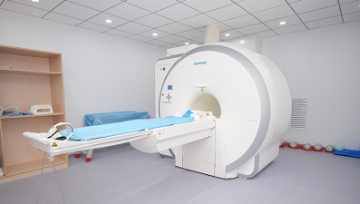
Head MRAIt can display the morphology of intracranial blood vessels and blood flow signals, and can detect abnormalities such as intracranial vascular malformations and aneurysms.
-
Head MRIIt is used for the preliminary screening of common cerebrovascular diseases and intracranial tumors. Cranial MRI generally does not have skull artifacts, and the signal contrast between gray and white matter is high, which makes cranial MRI superior to CT.
Cardiac Check up
-
hs-Tropinin I
Basic Health Assessment
-
Blood Pressure
-
Height
-
Weight
-
Oral examination
-
Internal Medicine ExaminationExaminations of the thorax, heart and lungs, abdomen, nervous system, as well as inquiry into past medical history
-
Otolaryngology Examination
-
Hearing Assessment
-
Surgical Examination (Male)The examination includes:
· Prostate
· Digital rectal examination
· Skin
· Superficial lymph nodes
· Thyroid
· Breasts
· Spine
· Limb joints
· External genitalia
· Others
· Past medical history
Lipid
-
Total Cholesterol
-
HDL-Cholesterol
-
LDL-Cholesterol
-
Triglyceride
-
Lp(a)
-
Apolipoprotein A1
-
Apolipoprotein B
Diabetes
-
Fasting Blood Glucose
-
Glycated Hemoglobin
Liver Function
-
Albumin
-
Total Bilirubin
-
Direct Bilirubin
-
ALT/SGPT
-
AST/SGOT
-
Total Protein
-
Gamma-Glutamyltransferase
-
ALP
-
Indirect Bilirubin
-
Globulin
-
AST/ALT Ratio
-
A/G Ratio
Kidney Function
-
Uric Acid
-
Creatinine
-
UreaDetermines the level of urea in the blood. Elevated levels of serum urea can be casued by kidney disease, liver disease or dehydration.
-
Urine Microalbumin
-
Cystatin C
Thyroid
-
Thyroxine (T4)Screening for any abnormal secretion of thyroid-stimulating hormone, and whether hyperthyroidism, hypothyroidism or thyroid abnormalities.
-
Thyroid Stimulating Hormone (TSH)
-
Free Triiodothyronine
Blood Check
-
WBC
-
Large Platelet Ratio
-
Large Platelet Count
-
HCT
-
Red Blood Cell Distribution Width-CV RDW-CV
-
MCH
-
MCHC
-
Platelet
-
Neutrophil Percentage
-
Neutrophil Absolute Count
-
lymphocytes Percentage
-
RBC
-
MPV
-
MCV
-
Plateletcrit PCT
-
Red Blood Cell Distribution Width-SD RDW-SD
-
Platelet Distribution Width PDW
-
Eosinophils Percentage
-
Basophis Percentage
-
Lymphocytes LYM
-
Monocyte Absolute Value
-
Eosinophil Absolute Value
-
Basophil Absolute Value
-
Immature Granulocyte Percentage
-
Immature Granulocyte Count
-
Haemoglobin
-
Monocyte Percentage
-
Nucleated Red Blood Cell Absolute Value
-
Nucleated Red Blood Cell Percentage
Renal Condition / Urinalysis
-
Urine Bilirubin
-
Urine Turbidity
-
Urobilinogen
-
Urine Nitrite
-
Urine Ketone
-
Urine pH
-
Urine Protein
-
Specific Gravity
-
RBC
-
Glucose
-
Leucocyte
-
Urine RBC
-
Urine Uric Acid Crystal
-
Urine Casts
-
Ascorbic Acid (Vitamin C)
-
Urine EP Cells
-
Leukocyte Esterase
-
Others
-
Urine Color
Stool
-
Quantitative fecal occult blood test (qFIT)Detecting gastrointestinal bleeding from various causes is an important screening indicator for the early diagnosis of gastrointestinal malignancies
-
Macrophages
-
Bacteria
-
Charcot–Leyden crystals
-
Tumor cell
-
Intestinal epithelial cell
-
Stool Leucocyte
-
Stool RBC
-
Stool Character
-
Stool Colour
-
Stool Fat Globules
-
Stool Yeast-like Fungi
-
Stool Parasites
Hepatitis B Screening
-
HBsAg (Aualitative Detection)
-
HBsAb (Qualitative Detection)
-
HBeAb_Qual (Qualitative Detection)
-
HBeAg (Qualitative Detection)
-
HBcAb (Qualitative Detection)
H Pylori
-
Carbon-13 Breath TestThe carbon-13 breath test can detect whether there is a Helicobacter pylori infection in the stomach.
Gastric Cancer Screening
-
Pepsinogen I (PGI)
-
Pepsinogen II (PGII)
-
PG I/II Ratio
Cardiovascular and Cerebrovascular Examination
-
High-Sensitivity C-Reactive Protein
-
Homocysteine
Vascular Stiffness
-
Arteriosclerosis Examination
Eye Check
-
External Eye Examination
-
Routine Ophthalmological ExaminationExamine items such as vision, eyelids, lacrimal apparatus, conjunctiva, eyeballs, cornea, and other external ocular organs.
-
Retinal Structural Assessment
-
Macular area examination
-
Optic disc and optic nerve analysis
-
Vascular Morphology Observation
-
Pathological Change Screening
Report
-
Explanation of Report by Doctor
Health Check-up Precautions
- Identification Documents:
Please bring a valid ID (ID card/passport/mainland travel permit) on the day of the checkup for registration at the branch front desk and to receive the list of checkup items.
Pre-Check-up Instructions:
- Light Diet:
For 1–3 days before the checkup, maintain a light diet, avoiding high-sugar, high-fat, and high-protein foods, as well as animal organs and blood products. Refrain from alcohol, overeating, and consuming stimulating beverages like strong tea or coffee. Do not eat or drink after 8:00 PM the night before the checkup. - Avoid Strenuous Exercise:
For 2–3 days prior to the checkup, avoid intense activities such as long-distance running, swimming, mountain climbing, or playing soccer. Strenuous exercise can alter blood and bodily fluid components. Avoid high-intensity exercise on the morning of the checkup. - Adequate Sleep:
Staying up late can disrupt hormonal balance and affect checkup results. Ensure sufficient sleep before the checkup. Those accustomed to staying up late should adjust their sleep schedule as early as possible. - Medication Use:
Patients with chronic conditions like hypertension or coronary heart disease should take their regular medications with a small amount of water as usual. Diabetic patients should bring their medications and take them promptly after completing fasting-related tests to avoid missing doses. - Fasting Requirements:
Fasting is required for tests such as blood biochemistry, abdominal ultrasound, H. pylori breath test, and gastroscopy. Have breakfast promptly after completing fasting-related tests.
During the Check-up:
- Checkup Time:
Arrive on time for your appointment. The branch starts checkups as early as 7:50 AM, with blood draws stopping after 10:00 AM. - Provide Accurate Information:
Inform the doctor truthfully about your health condition:
(1) Provide detailed information about your medical history, past surgeries, and current symptoms to help the doctor make accurate judgments and provide appropriate advice.
(2) Men planning pregnancy within six months should avoid radiation-related tests such as DR/X-ray, CT scans, or carbon-14 breath tests. - Fasting Tests:
Fasting is required for tests including blood glucose, lipid profile, liver/kidney function, abdominal ultrasound, and C13/C14 tests. - Bladder Preparation for Ultrasound:
Ultrasound examinations of the bladder or prostate require a full bladder. If you don’t feel sufficient urge to urinate, drink approximately 500–800 mL of water (about 2 bottles of mineral water) before the ultrasound to meet the examination requirements. - Urine and Stool Sample Collection:
(1) Collect midstream urine, ensuring the volume meets the indicated minimum mark.
(2) Collect a fresh stool sample about the size of a soybean. If visible blood is present, avoid including the bloody portion. - C13/C14 Test Precautions:
(1) Fast before the test to avoid affecting results.
(2) Swallow the test capsule whole with warm water; do not chew.
(3) After 30 minutes, blow into the designated breath card to provide a sample. Do not drink water or eat during this period.
(4) Avoid this test if you have taken antibiotics or stomach medications within the past month, as they may cause false-negative results.
Other things to note:
- Attire and Accessories:
(1) For intraocular pressure, fundus, or slit-lamp examinations, do not wear contact lenses.
(2) Wear pants for ease of changing.
(3) Avoid clothing with sequins, metal, underwire bras, or metal clasps, and remove jewelry to prevent interference with radiation-based tests. - Do Not Skip Tests:
Do not skip any checkup items due to embarrassment or inconvenience. For example, digital rectal exams are often skipped but are critical for detecting most cases of rectal cancer. - Additional Notes:
(1) During blood draws, stay relaxed to avoid vascular constriction, which can complicate the process. After the draw, press a sterile cotton ball slightly below the needle site for 5 minutes without rubbing to prevent subcutaneous bruising.
(2) Individuals with pacemakers, magnetic metal implants, claustrophobia, or severe heart failure should not undergo MRI scans.
(3) For blood pressure measurement, rest calmly for at least 5 minutes beforehand, keep your body relaxed, fully expose your upper arm, avoid tight rolled-up sleeves, breathe calmly, and refrain from talking.
(4) During an ECG, lie flat, relax all muscles, breathe steadily, remain quiet, and avoid moving or speaking loudly.
I. Instructions for scheduling a physical examination
- After receiving the order confirmation email from health.ESDlife, Meinian Onehealth will contact the customer within 1-2 business days during office hours to schedule a physical examination. Customers can also make an appointment at least one day in advance by calling Meinian Onehealth (Tel: +852 6663 4351, WhatsApp: +86 13631689309).
- Upon arrival at the site, Meinian Onehealth staff will verify the customer's name, date of birth, mobile phone number, and online health purchase information. A confirmation email will be sent to the customer confirming their identity.
- If you need to reschedule your order, please contact Meinian Healthcare at least one day in advance (Tel: +852 6663 4351, WhatsApp: +86 13631689309).
- The physical examination plan is valid for 3 months. The client must undergo the relevant examination within 3 months (starting from the date of payment confirmation). Otherwise, it will be invalid.
- If a doctor does not speak Cantonese during a physical examination, Meinian Healthcare can arrange for medical staff to accompany the patient and provide translation services.
- If there are any discrepancies or inconsistencies between the Traditional Chinese, Simplified Chinese, and English versions of the merchant page and the health checkup plan page, the Traditional Chinese version shall prevail.
II. Report Collection and Explanation
Medical examination report collection and explanation
- The medical examination report is in simplified Chinese.
- The medical examination report will be completed within 5-7 days after the examination and will be sent to the client via SMS. Clients can choose to view the medical examination report through the following methods:
- Please provide your email address; Meinian Healthcare will send the report to your email address after it is completed.
- Please provide your mailing address. Meinian Onehealth will mail the report after it is completed, with postage to be paid upon delivery (delivery to Hong Kong and Macau is available).
- After the report is completed, you can pick it up at the medical examination center. The printing fee is 10 RMB.
- Search for the "Meinian Health" mini-program on WeChat, click "Query Report," and enter your personal information to view the report.
- After the medical examination report is issued, you can schedule an appointment to have the doctor explain the report. Clients can choose from the following channels:
- WeChat consultation: Appointments must be made at least one day in advance (contact number: +852 6663 4351, WhatsApp: +86 13631689309). The doctor will add the client on WeChat and communicate with the client through WeChat for interpretation.
- Telephone consultation: Please make an appointment at least one day in advance (contact number: +852 6663 4351, WhatsApp: +86 13631689309). The doctor will contact you at the appointed time.
- In-person explanation: You need to make an appointment at least 1 day in advance (appointment contact number: +852 6663 4351, WhatsApp: +86 13631689309). The examinee will listen to the doctor's explanation in person at the medical examination center at the appointed time.
III. Disclaimer:
In case of any dispute, health.ESDlife and Meinian Onehealth reserve the right to make the final decision.
- All health checks/services are not intended for medical diagnosis or treatment. If you experience any signs of illness, you should immediately consult a qualified physician for diagnosis and treatment.
- This service/product is provided by the merchant. Health.ESDlife does not operate or provide this service/product. Health.ESDlife is not responsible for any errors, omissions, or delays related to this service/product, or for any loss, damage, injury, or legal proceedings arising from the use of this service/product. All claims or inquiries should be made to the medical examination center or merchant providing the service.
