

Leave the first review for product
Product:
Yihe_Premium_Exclusive_FemaleZhuhai Yihe Hospital Premium Health Screening (Women's Version)
Recommended for
Women with high-end health management needs and who are concerned about early gynecological tumors and comprehensive whole-body screening.
Fee details: Blood pressure measurement, nutritious breakfast, and interpretation of the health assessment report are included in the package and require no additional payment.
Compare
WishList
High-end comprehensive health check for women, covering painless gastroscopy and colonoscopy, early cervical methylation screening, and head vascular MRI, achieving a comprehensive assessment of early cancer and chronic diseases.
Precautions for physical examination
*Identification document:
On the day of your physical examination, please bring your valid identification document (ID card/passport/return permit) to the branch hospital reception desk to register and receive a list of examination items.
[Pre-test Information]
1. Eat a light diet:
One to three days before the physical examination, it is advisable to eat a light diet, avoiding high-sugar, high-fat, and high-protein foods, and reducing the intake of animal organs and blood products. Do not drink alcohol or overeat, and try to avoid strong tea, coffee, and other stimulating beverages. Do not eat or drink anything after 8 PM the night before the examination.
2. Avoid strenuous exercise:
Two to three days before the physical examination, avoid strenuous exercise such as long-distance running, swimming, mountain climbing, and playing soccer. Strenuous exercise can cause changes in the composition of blood and body fluids, and high-intensity exercise is also not advisable on the morning of the examination.
3. Get enough sleep:
Staying up late can cause endocrine disorders and affect physical examination results, so it is essential to ensure sufficient sleep before the examination. Those who habitually stay up late should adjust their sleep schedule as soon as possible before the examination.
4. Do not stop taking medication abruptly:
Patients with chronic diseases such as hypertension and coronary heart disease can take their medication as usual, with a small amount of water. Diabetic patients can bring their medication and take it promptly after completing the fasting test to reduce the risk of missing a dose.
5. Women should avoid their menstrual period:
(1) Women should not have a urine test or gynecological examination within 3 days after the end of their menstrual period. Sexual intercourse and gynecological medications are prohibited within 48 hours before a gynecological examination.
(2) Pregnant women and those planning to conceive should avoid undergoing radiological examinations (such as X-rays, CT scans, bone density tests, C14 tests, etc.).
(3) Women who have no sexual life cannot undergo gynecological examinations. If they choose to be unmarried, it will be considered as giving up the gynecological examination.
6. Reasonable fasting:
Fasting is required before undergoing blood biochemistry tests, abdominal ultrasound, Helicobacter pylori breath test, CT scan, MRI, gastroscopy, colonoscopy, and other procedures. Please have breakfast promptly after completing the fasting procedures.
7. Special preparations for gastroscopy and colonoscopy:
Before the examination, patients need to take a complete digestive tract cleansing agent as prescribed by the doctor to ensure intestinal cleanliness. On the day of the examination, a family member must accompany the patient. Driving, working at heights, and performing delicate operations should be avoided for 24 hours after the examination.
8. Instructions for MRI Examination:
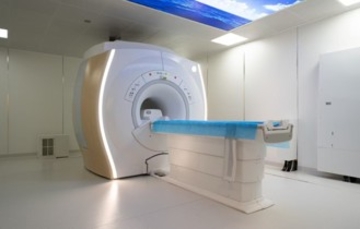
Before the examination, remove all metal jewelry, dentures, and electronic devices; those with pacemakers or metal implants should inform the doctor in advance to confirm whether they are suitable for the examination.
9. CT Scan Instructions:
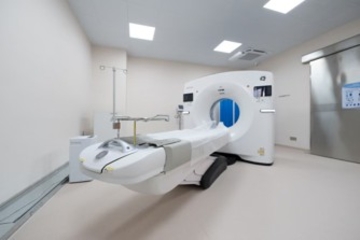
Remove any metal jewelry before the examination and follow the doctor's instructions to change position; pregnant women and those planning to conceive are prohibited from undergoing CT scans.
[Important Notes During Inspection]
10. Physical examination time:
Please arrive on time according to your appointment. Blood draws will stop at the branch hospital after 10:00 AM.
11. Disclose truthfully:
Please truthfully inform the doctor about your health condition, past medical history, and surgical history; women should promptly disclose whether they are pregnant and whether they have been sexually active, so that the doctor can make an accurate judgment on the examination results and provide reasonable advice based on the specific circumstances.
12. Fasting items:
Fasting is required for blood collection items such as fasting blood glucose, blood lipids, liver and kidney function tests, as well as abdominal ultrasound, 13C blowing test, chest CT, head MRI, and gastroscopy and colonoscopy.
13. Items requiring a full bladder:
You need to have a full bladder when performing ultrasound examinations of the bladder, uterus, and other related areas. If you feel that you do not have enough urine, you need to drink some water.
14. Urine sample collection:
Collect midstream urine; the urine volume should not be lower than the indicated mark.
15. Other precautions:
When having your blood drawn, try to relax as much as possible to avoid vasoconstriction due to fear, which would make blood collection more difficult. After the blood draw, apply pressure with a sterile dry cotton ball slightly below the puncture site for 5 minutes. Do not rub the area to avoid causing a subcutaneous hematoma.

