




Leave the first review for product
Product:
Yihe_AlzheimerZhuhai Yihe Hospital Alzheimer's Disease Comprehensive Screening and Physical Examination
76items
Recommended for
- Suitable for individuals who are concerned about memory, cognitive health, brain structure, cerebrovascular and overall cardiovascular risk, and wish to undergo a comprehensive assessment.
Key inspection items:
- Plasma AD six items, cranial MRI, neck and lower limb vascular and cardiac ultrasound, electrocardiogram, vitamin B12, folic acid, cardiovascular screening.


Choose the same timeslot to enjoy offer!
Compare
WishList
Ultrasound
Highlight
-
Carotid Ultrasound
-
Color Doppler ultrasound of arteries and veins in both lower extremitiesAssess lower extremity blood supply and sclerosis to rule out lower extremity venous thrombosis and stenosis.
Cardiac Check up
Highlight
-
12-lead EKG
Blood Check
Highlight
-
p-Tau217
-
Neurofilament Light Chain (NfL)
-
β-Amyloid 1- 42 (Aβ1-42)
-
Glial fibrillary acidic protein (GFAP)
-
β-amyloid protein 1-40
MRI
Highlight
-
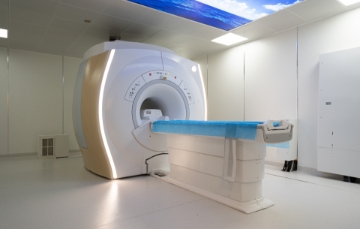
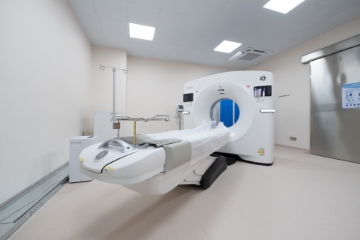
Cranial MRI
Cardiac Check up
-
Homocysteine
Basic Health Assessment
-
Blood Pressure
-
Internal Medicine ExaminationFocuses on evaluating internal organ function and overall health.
Lipid
-
Total Cholesterol
-
Triglycerides
-
HDL Cholesterol (Direct)
-
LDL Cholesterol
-
Apolipoprotein A1
-
Apolipoprotein B
-
Lp(a)
Liver Function
-
ALP
-
AST/SGOT
-
ALT/SGPT
-
GGT
-
Direct Bilirubin
-
Total Bilirubin
-
Indirect Bilirubin
-
Total Bile Acids
-
Cholinesterase
-
Serum 5'-Nucleotidase TestA specific liver and gallbladder indicator that can differentiate between abnormal alkaline phosphatase levels and liver and gallbladder obstruction or bone problems, and help screen for the risk of biliary obstruction, liver fibrosis and liver tumors.
-
Alpha‑L‑Fucosidase (AFU)
-
Protein Total
-
Albumin
-
A/G Ratio
Kidney Function
-
Creatinine
-
UreaDetermines the level of urea in the blood. Elevated levels of serum urea can be casued by kidney disease, liver disease or dehydration.
-
Uric Acid
-
Cystatin C
-
β2-microglobulin
Thyroid
-
Thyroid Stimulating Hormone (TSH)
Blood Check
-
White Blood Cell Count
-
RBC
-
Hb
-
Platelet Count
-
Lymphocyte
-
Monocyte
-
NEU
-
Eosinophil Absolute Value
-
Basophil Absolute Value
-
Prothrombin Time_INR
-
Activated Partial Thromboplastin Time
-
Fibrinogen
-
Thrombin Time
Renal Condition / Urinalysis
-
Urine WBC
-
Urine Bilirubin
-
Vitamin C
-
RBC
-
Crystal Urine
-
Urine Nitrite
-
Urobilinogen
-
Urine Protein
-
PH
-
Urine SG
-
Urine Sugar
-
Urine Ketone
-
Urine RBC
-
Urine Casts
-
Urine Color
-
Urine Turbidity
-
Microalbumin
Vitamin
-
Vitamin B-12
Early Screening for Myocardial and Cerebral Infarction Risk
-
High-Sensitivity C-Reactive Protein (hs-CRP)
Eye Check
-
Routine Ophthalmological ExaminationExamine items such as vision, eyelids, lacrimal apparatus, conjunctiva, eyeballs, cornea, and other external ocular organs.
-
Fundus Photography
-
Intra-ocular pressures
Anemia Test
-
Folic Acid
Report
-
Explanation of the Report by the Doctor (Telephone/In-Person)
This package includes tests for Alzheimer's disease plasma markers, brain structure, carotid arteries, heart, lower limb blood vessels, cardiovascular risk, vitamin B12, and folic acid. It is suitable for people who are concerned about memory, cognitive health, and cerebrovascular health.
Preparation before physical examination
- Blood tests, fasting blood glucose, blood lipids, and liver and kidney function tests must be performed on an empty stomach as instructed by the hospital.
- Metal jewelry, dentures, and electronic devices must be removed before an MRI scan.
- Those with pacemakers, cochlear implants, metal implants, or other internal devices must inform their doctor in advance to confirm their suitability for an MRI scan.
- Patients with hypertension, coronary heart disease, diabetes, or other chronic illnesses should not stop taking their medication on their own; please consult with healthcare professionals beforehand.
- Please bring valid identification documents on the day of your physical examination.
On the day of the inspection
- When collecting urine samples, a midstream sample should be collected, and the volume must reach the specified mark on the sample container.
- Before undergoing an MRI, please reiterate to your healthcare provider any metal devices, implants, and related surgical records in your body.
- Please truthfully inform healthcare professionals about your past medical history, cognitive status, long-term medications, and current health condition.
- After completing the fasting test, a nutritious breakfast will be provided with the package.
Reporting Arrangements
After all examinations are completed, the hospital will provide a health assessment and report interpretation. Alzheimer's disease plasma biomarkers and MRI results are for risk assessment only and must be determined by a doctor in conjunction with medical history, cognitive function, and other clinical examinations; they cannot be used alone for a definitive diagnosis.
I. Instructions for scheduling a physical examination
- After receiving the order confirmation email from health.ESDlife, the medical center will contact the customer within 1-2 business days during office hours to schedule a physical examination. Customers may also contact the medical center at least 1 business day in advance to schedule an appointment (Tel: 0756-3256123; WeChat: 18926930680).
- Upon arrival, the medical center staff will verify the customer's name, date of birth, mobile phone number, and the email address confirming the successful order from health.ESDlife online shopping platform. For order rescheduling, please contact the medical center at least one business day in advance (Tel: 0756-3256123; WeChat: 18926930680).
- The physical examination plan is valid for 3 months. Customers must undergo the relevant examination within 3 months (starting from the date of payment confirmation). Otherwise, it will be invalid.
- If a doctor does not speak Cantonese during a medical examination, the medical center can arrange for medical staff to accompany the patient and provide translation services.
- If there are any discrepancies or inconsistencies between the Traditional Chinese, Simplified Chinese, and English versions of the merchant page and the health checkup plan page, the Traditional Chinese version shall prevail.
II. Obtaining and Explaining the Medical Examination Report
- The medical examination report is in Simplified Chinese.
- The medical examination report will be completed within 10 working days after the examination. Clients can choose the following methods to view the report:
1. Provide your email address; the medical center will send the report to your email address after completion.
2. Provide your mailing address; the medical center will mail the report after completion, with postage to be paid upon delivery (delivery to Hong Kong and Macau is available). - After completing your medical examination report, you can schedule a doctor's explanation of the report. Clients can choose from the following methods:
1. Telephone Explanation: Please schedule a specific time at least one business day in advance (Tel: 0756-3256123; WeChat: 18926930680). The doctor will contact you at the scheduled time.
2. In-Person Explanation: Please schedule a specific time at least one business day in advance (Tel: 0756-3256151; WeChat: 18926930680). Clients will need to attend the consultation at the medical center at the scheduled time. For in-person explanations, the following location is available:
Address: General Practice Clinic, Zhuhai Yihe Hospital Outpatient Department
III. Disclaimer
- In case of any dispute, health.ESDlife and Zhuhai Yihe Hospital reserve the right of final decision. 1. All health checkups/services are not intended for medical diagnosis or treatment. If you experience any signs of illness, you should immediately consult a qualified physician for diagnosis and treatment. 2. This service/product is provided by the merchant. Health.ESDlife does not operate or provide this service/product. Health.ESDlife is not responsible for any errors, omissions, or delays related to this service/product, or for any loss, damage, injury, or legal proceedings arising from the use of this service/product. All claims or inquiries should be directed to the medical examination center or merchant providing the service.
- Important notes for physical examination: Fasting for 8-12 hours is required for blood tests and abdominal ultrasound; women should avoid their menstrual period; bring your previous medical records and imaging reports for doctors to compare.


